

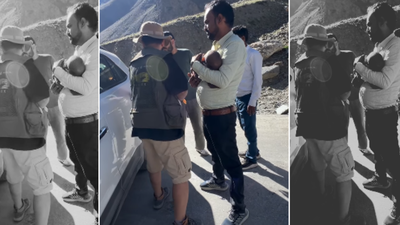
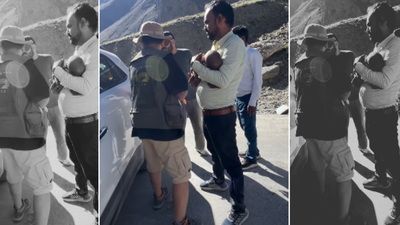
A family trip is something people look forward to with excitement and happiness. To beat the scorching heat, many families tend to plan trips to the mountains. But what if the same vacation turns into a nightmare? A similar incident took place last year when a family visited Zanskar, Ladakh, and what followed became a lesson for every parent. In an Instagram video posted by @backpackerxp, a group of travellers witnessed a frightening situation near Shinku La. After a sudden nala burst blocked the road, vehicles were stranded at nearly 15,000 feet. Amid the chaos, people heard a family calling for help. Their six-month-old baby was not responding normally. The parents were crying, trying to wake the child up, not understanding what was happening.
17 Jun 2026 | 14:29
Bottle or sipper? What worked best for your baby and why?
What actually happend is that the child’s body was struggling to adjust. It was a case of altitude-related illness or Acute Mountain Sickness. The travellers immediately rushed with the emergency oxygen cylinders they were carrying and convinced the family to move the baby into a vehicle. Soon after oxygen support began, the baby started crying, which was a sign that the child was responding again.
Why did the baby stop responding
At high altitudes, the biggest challenge is lack of oxygen. At extreme heights, the air has less oxygen. Babies, or little children are more vulnerable because their bodies are still developing. On top of that they cannot communicate symptoms like adults can. While adults can describe symptoms like headache, dizziness or breathlessness, babies and young children cannot explain what they are experiencing.
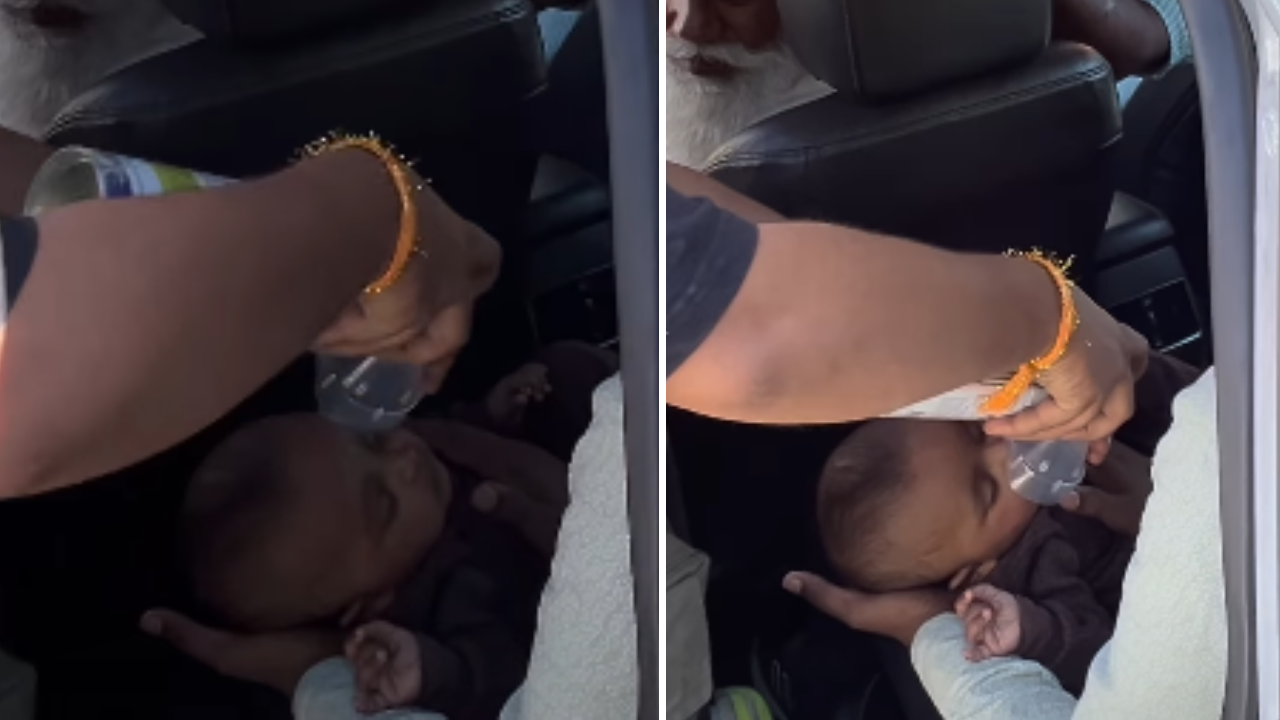
It was a case of altitude-related illness or Acute Mountain Sickness. (Image courtesy: Instagram/@backpackerxp)
What can be the symptoms?When children don’t get oxygen, they may become unusually sleepy, weak, less active, or find it difficult to wake up. Since they cannot speak, these symptoms can tell a lot.
Not a matter of carelessness but awareness
In the comments section of the video, people blamed the parents. Some users called the parents irresponsible, some noted “Who takes a 6 month old to a high altitude?”While it’s easy to question the parents, the one who shared the video made some clarifications and wrote, “Probably parents didn’t know about the high altitude and AMS situation. And how would they know?… I still remember the faces of the parents… The way they were feeling helpless… No parents want this for their piece of soul.” The page that shared this incident mentioned that the team helped more than 12 people with emergency oxygen support that day, ranging from a six-month-old baby to an 85-year-old elderly traveller. One elderly woman even shared that she was visiting the mountains for the first time, and the trip had been arranged by her grandchild’s travel company.The parents shouldn’t be blamed for the unfortunate incident. And this is where awareness becomes important.
What parents need to do before planning a mountain trip
A mountain getaway with children can be a wonderful experience and can also make up the most precious memories of a child’s life. However, no parent would prefer enjoyment over their child’s safety, and that is why awareness is important. Here’s what parents need to do before planning a mountain trip. The best thing parents can do is completely avoid travelling to high altitudes when children are young. Remember, a mountain trip can be done later, but your child’s health should never be compromised. So before planning the trip, check the altitude before travelling. Checking how high the location is and whether the child’s age is suitable for it can help entirely avoid unfavorable situations. The same goes for the elderly. If you’ve planned a trip to the mountains, avoid sudden altitude gain with your children. Give children enough time to adjust instead of reaching extreme heights too quickly. Also, make sure to carry emergency essentials. Keep medicines, warm clothing, snacks, and basic emergency supplies ready.And in case you’re in the mountains, watch your child closely. Observe changes in their sleep, feeding, energy levels, and behaviour. Small signs such as unusual tiredness, excessive sleepiness, poor feeding, vomiting, or low activity can be early warnings.