

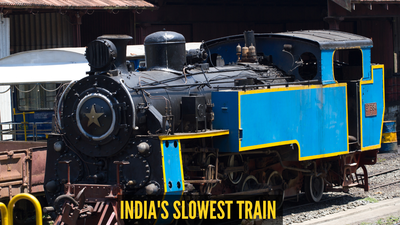
We live in a world obsessed with getting things done quickly, but there’s one train in India that’s perfectly happy to take its sweet time. Winding its way through foggy mountains, thick forests, and sprawling tea estates, the Nilgiri Mountain Railway officially holds the title of India’s slowest train. On some stretches, it barely hits 10 to 12 km/h, meaning a short 46-kilometre trip takes nearly five hours.People hop on board for the sheer joy of the journey and the incredible scenery. Linking Mettupalayam in Tamil Nadu to the popular hill station of Ooty (Udhagamandalam), this heritage railway gives you a beautiful glimpse into a much slower, far more romantic era of travel.
A Ride Through the Blue Mountains
The route stretches between Mettupalayam and Ooty, climbing from roughly 326 metres above sea level right up to a staggering 2,200 metres. It’s easily one of the most dramatic and scenic train rides you can take in India.As you move through the Nilgiri Hills (often called the Blue Mountains), the view outside your window completely transforms. You start out surrounded by warm, tropical plants, but before long, you’re looking at cool eucalyptus forests, lush valleys, and neat rows of tea bushes. With 16 tunnels and over 200 tight turns and hundreds of bridges to cross, there is always a new adventure just around the corner. It’s so special, in fact, that UNESCO declared it a World Heritage Site back in 2005.
Why Does It Go So Slowly?
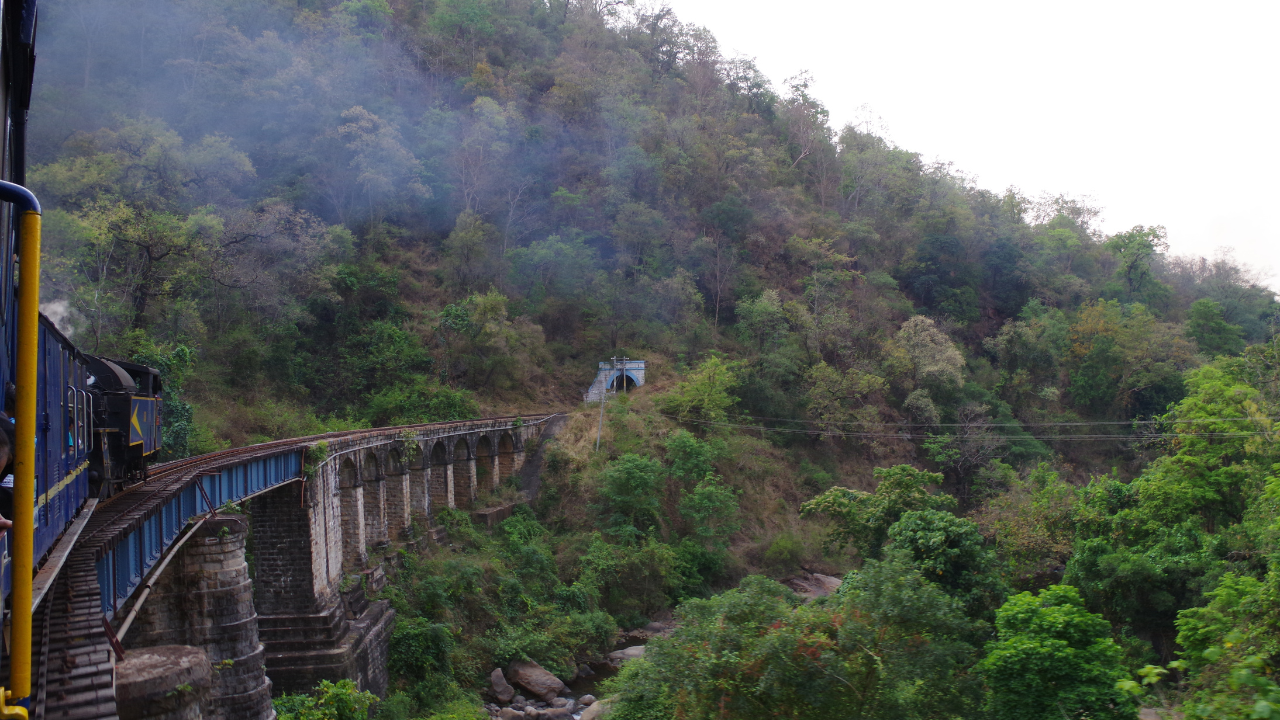
Image Credit: Canva
The leisurely speed isn’t a design fault; it’s actually completely essential. The train has to tackle some of the steepest railway inclines in all of Asia, particularly on the stretch between Kallar and Coonoor.These mountains are so steep that the railway has a very clever “rack-and-pinion” system to travel safely up the huge hills. While standard trains simply depend on the friction of their wheels against the tracks, this unique setup features an extra toothed rail running right down the centre. The train effectively bites into this middle track to haul itself up the mountainside. Because of this heavy lifting, the speed has to be kept right down, often dipping below 10 km/h on the sharpest inclines. Honestly, though, the slow going is a real bonus. It leaves you with all the time in the world to gaze at the waterfalls, plunging valleys, and lush tea estates as they lazily drift past your carriage.
The Route and What You’ll See
Your trip kicks off in Mettupalayam, quickly carrying you into the foothills of the Western Ghats. After rolling over rivers and pushing through leafy forests, you hit Kallar, which is where the real climb begins.From here on out, the views just get better and better. When you reach Hillgrove, you’ll be surrounded by dense greenery and probably spot a few cheeky monkeys hanging around the station. Coonoor is a major highlight on the route and arguably one of the prettiest spots in the Nilgiris. After leaving Coonoor, the train passes through stoppages like Wellington, Aravankadu, Ketti, and Lovedale before finally pulling into Ooty. Each of these little stations feels like a time capsule, complete with colourful colonial buildings, old-fashioned signs, and lovely flowerbeds.
A Living Piece of Railway History
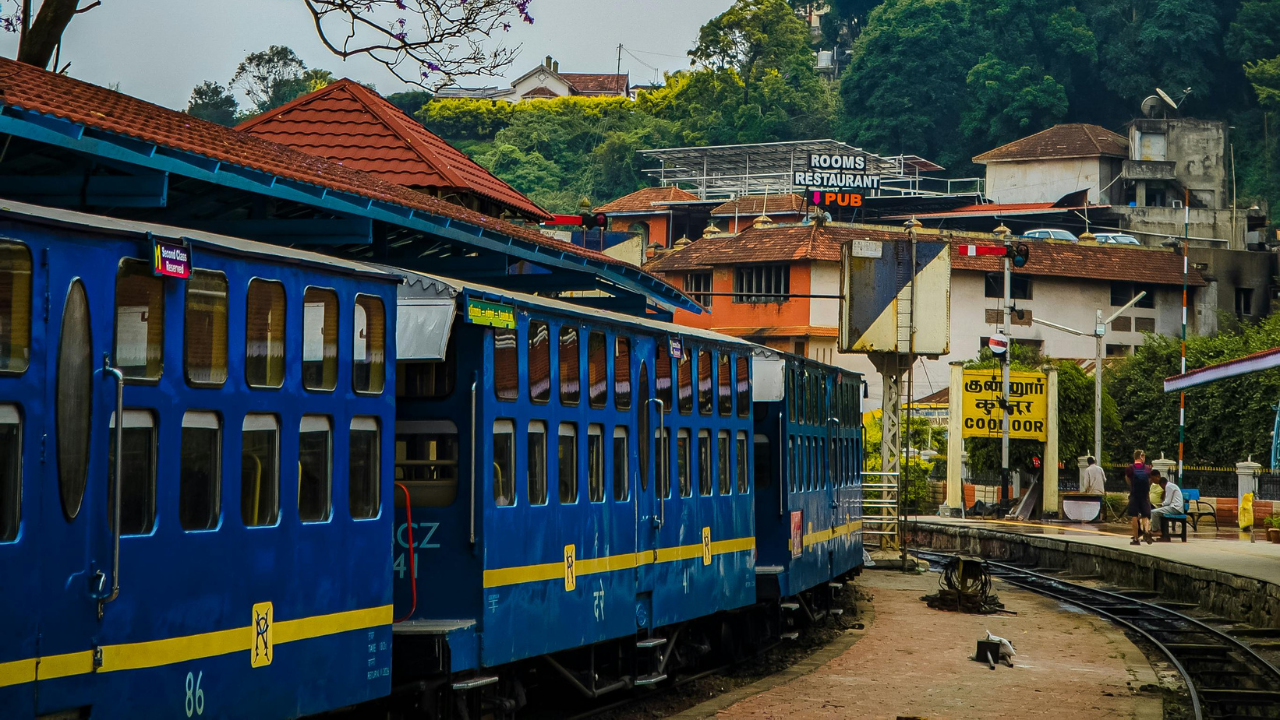
Image Credit: Canva
This railway is a genuine relic from the British colonial days. They started building it in the late 1800s, and the whole line all the way to Ooty was finally opened in 1908.Over a century later, it’s still running using traditional railway methods and vintage-style engines. The iconic X-Class steam locomotives were built specifically for these mountains, and they are a massive part of what makes the trip so charming. With its classic cream-and-blue carriages and old-world stations, the whole experience feels like stepping back in time. If you love history or trains, the ride itself is just as exciting as actually reaching Ooty.
A Star of the Silver Screen
Unsurprisingly, filmmakers absolutely love this railway. It caught the world’s eye in the classic film A Passage to India, but if you’re from India, you almost certainly know it from the hit Bollywood song Chaiyya Chaiyya (from the movie Dil Se), where Shah Rukh Khan and Malaika Arora famously danced right on top of the moving carriages. To this day, its cinematic charm draws directors, photographers, and tourists from all over the globe.
The Best Time to Visit
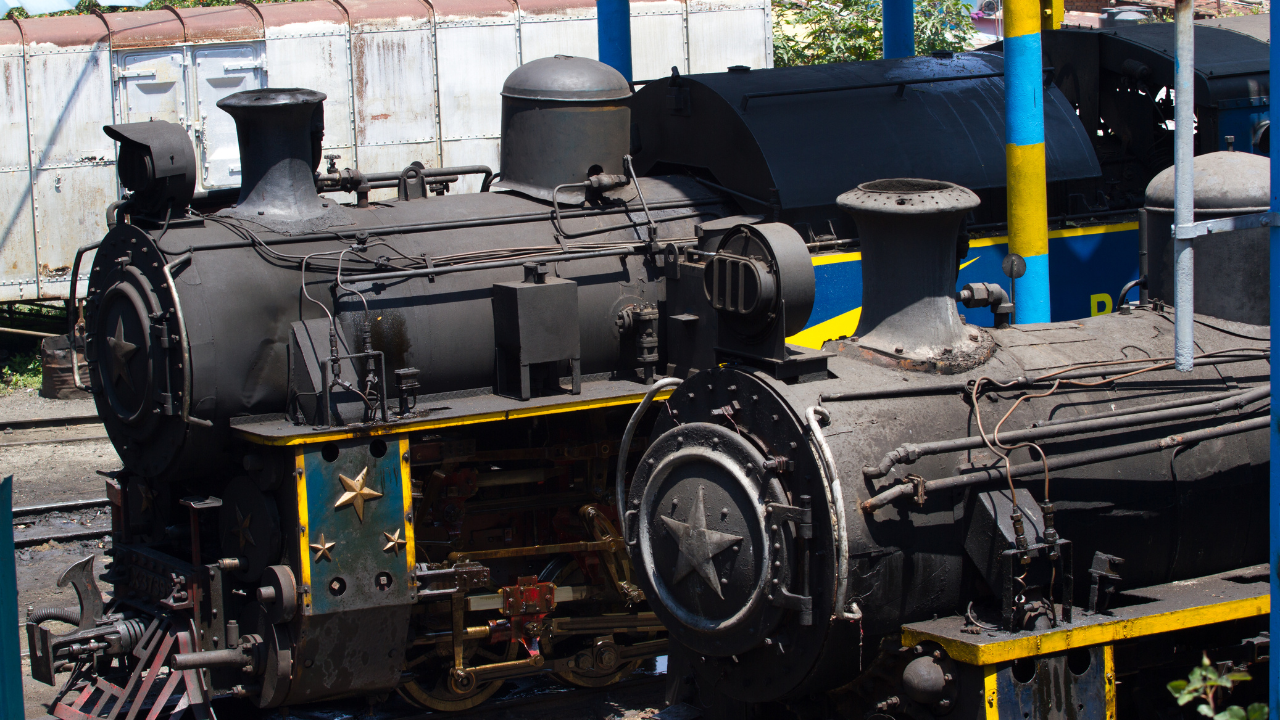
Image Credit: Canva
You can jump aboard the Nilgiri Mountain Railway at any time of year, but the whole feel of the journey changes completely depending on when you go:
- Summer (April to June): This is the absolute peak season because the weather is gorgeous and you get crystal-clear views. Just bear in mind that it gets incredibly packed, so tickets tend to get snapped up in a flash.
- Winter (November to February): A lot of folks reckon this is the most enchanting time to take the trip. You get wonderfully crisp air, misty mountain mornings, and far fewer people to share the carriages with.
- Monsoon: The constant rain turns the hills a spectacularly vibrant green, but it does come with a catch. You might have to put up with heavy downpours, steamed-up windows, and even the odd delay if landslides block the tracks.
Quick Tips for Your Trip
- Book early: Seriously, get your tickets well in advance, especially if you’re travelling during the busy summer months.
- Pick the right side: If you’re heading uphill from Mettupalayam to Ooty, try to grab a seat on the right-hand side of the train, that’s where you’ll get the absolute best views of the valley.
- Bring a jumper: Even if it’s warm down in the plains, pack a light jacket. It can get surprisingly chilly once you reach the higher parts of the Nilgiris.