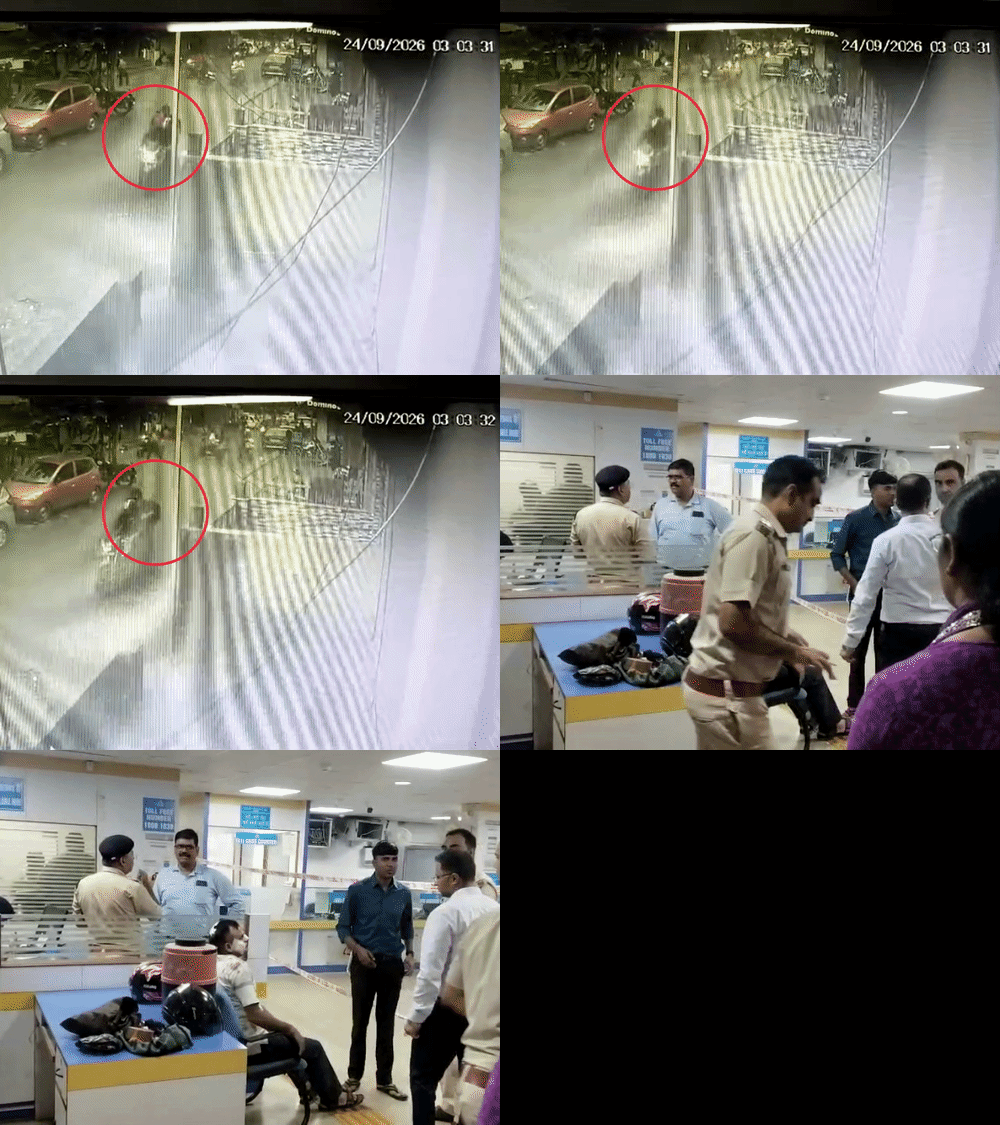
जमशेदपुर के गोलमुरी मस्जिद रोड स्थित केनरा बैंक में गुरुवार को 33 करोड़ का सोना और 42 लाख नकद लूट मामले में बिहार का सुबोध सिंह गिरोह पुलिस के रडार पर आ गया है। गिरोह का मोडस ऑपरेंडी बारिश और सन्नाटे के समय रेनकोट या हेलमेट पहनकर बैंक में घुसना, कर्मचारियों को बंधक बनाना और मुख्य रूप से गोल्ड लोन का सोना लूटना रहा है। सुबोध सिंह फिलहाल जेल में है, लेकिन जेल के अंदर से ही उसका नेटवर्क झारखंड, ओडिशा और पश्चिम बंगाल में सक्रिय है। चार पहले इसी तर्ज पर हुई थी डकैती 18 अगस्त 2022 को मानगो स्थित बैंक ऑफ इंडिया की शाखा में भी दिनदहाड़े इसी तर्ज पर करोड़ों की डकैती हुई थी। उस वारदात में भी डकैतों ने कर्मचारियों को बंधक बनाकर मुख्य रूप से गोल्ड लोन का सोना निशाना बनाया था। इस गिरोह के गुर्गे पारडीह काली मंदिर के समीप एक होटल तक बाइक से गए थे और वहां पहले से पार्क किए गए कंटेनर में छुपकर बिहार भाग गए थे। हाल ही में इस गिरोह के कई शूटर जमानत पर बाहर आए हैं। समस्तीपुर गैंग पर भी जांच का फोकस
गोलमुरी स्थित केनरा बैंक डकैती की जांच में पुलिस का फोकस बिहार के समस्तीपुर गैंग पर भी है। इस गिरोह का सरगना सुधीर सिंह उर्फ पप्पू सिंह बताया गया है, जो बेऊर जेल में बंद है। पुलिस पुराने बैंक डकैती मामलों और केनरा बैंक घटना के बीच समानता की पड़ताल कर रही है। इस गिरोह का नाम 18 अगस्त 2022 को उलीडीह थाना क्षेत्र के मानगो डिमना रोड स्थित बैंक ऑफ इंडिया शाखा में हुई डकैती में भी सामने आया था। उस घटना में हथियारबंद अपराधियों ने सीबीआई अधिकारी बनकर बैंक में धावा बोला था और करीब 30 लाख रुपए नकद समेत 1.12 करोड़ रुपए का सोना लूटा था। पुलिस सूत्रों के अनुसार, इस बैंक डकैती में भी कैश और गोल्ड लोन का सोना लूटने के बाद बदमाश अलग-अलग रास्तों से निकले। फिर टेंपो से डिमना चौक की ओर पहुंचे और इसके बाद किसी भारी वाहन से फरार होने की जानकारी सामने आई है। पुलिस पुराने केस के आरोपियों, उनके संपर्कों और वाहनों के पैटर्न की भी जांच कर रही है। केनरा बैंक में कैसे हुई लूट
गुरुवार सुबह छह हथियारबंद डकैतों ने करीब एक घंटे तक डकैती की। बारिश और सन्नाटे की आड़ में रेनकोट पहने पांच अपराधी सुबह 9:10 बजे बैंक में घुसे। बैंक का ताला सफाईकर्मी आकाश नाग और चाय बनाने वाली नूतन ने खोला था। दोनों को गनप्वाइंट पर लेकर बदमाश अंदर घुस गए। आम ग्राहकों के लिए बैंक खुलने का समय सुबह 10 बजे है। बदमाश 42 लाख रुपए नकद और गोल्ड लोन के एवज में ग्राहकों से जमा कराया करीब 33.20 करोड़ रुपए मूल्य का सोना लूटकर ले गए। 23.8 किलो सोना (650 पैकेट में सीलबंद) था। डकैतों का एक साथी सीढ़ियों के पास रेकी के लिए तैनात था।
Source link