

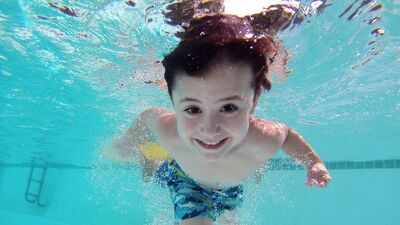
A day at the swimming pool is often associated with fun, exercise and family time. But for one Australian mother; a routine swimming lesson turned into a frightening reminder that parents should continue watching their children even after they leave the water.The woman recently shared her experience on social media, hoping to spread awareness about the possibility of delayed breathing complications after a child inhales water while swimming. Her message has struck a chord with many parents.
3 Jul 2026 | 12:38
How do you teach children about money and financial responsibility?
Recalling the incident, she wrote, “He survived the pool. But his lungs were quietly filling with water. It was the normal swimming lesson until he jumped and went underwater. He seemed normal, having fun until”According to the mother, there was nothing immediately alarming about the incident. Her son surfaced, continued with his swimming lesson and appeared completely fine afterwards. Like many parents, she initially assumed there was no cause for concern.
A frightening reminder after leaving the pool
Reflecting on the experience, the mother said it made her realise that breathing problems linked to inhaling water may not always appear immediately. “A terrifying reminder that a near-drowning incident doesn’t always happen in the water. It can happen hours later in their sleep,” she wrote.Describing herself as a single mother raising her son in Australia, she explained that swimming is a regular part of their family’s life, making the experience especially unsettling.“As a single mother raising my son in Australia, pool days are a constant part of our life. But today was a brutal reminder of a hidden danger every single parent needs to know about: Dry drowning and secondary drowning (water on the lungs).”The terms “dry drowning” and “secondary drowning” are no longer recognised as official medical diagnoses. Instead, doctors refer to delayed respiratory complications that may occur after water is inhaled into the airways. While these complications are uncommon, they can require urgent medical attention if symptoms develop.
The warning signs parents should know
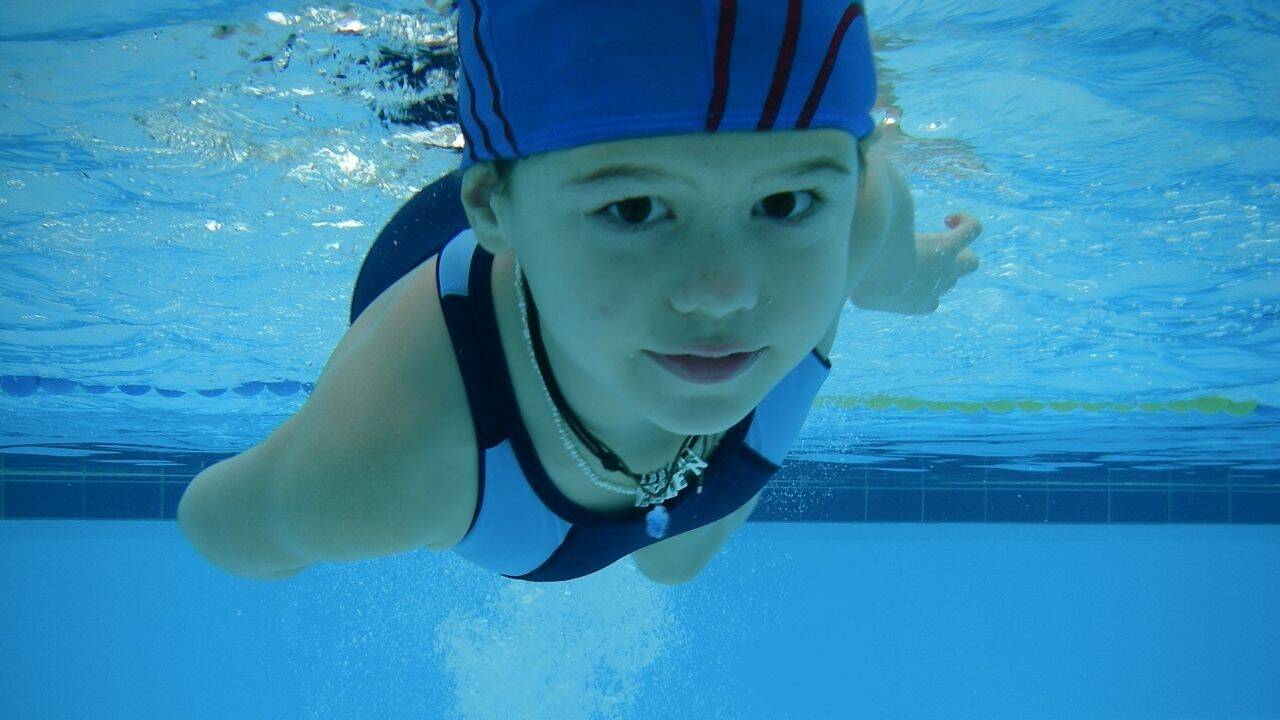
Image Credit: Canva (Representative Image)
The mother explained why she believes parents should never ignore even a minor incident involving inhaled water.“When a child accidentally breathes in even a tiny drop of water while swimming, it doesn’t always cause immediate coughing or panic. Instead, that small amount of water can stay in the lungs, causing progressive irritation, inflammation, and a severe drop in oxygen hours after they’ve dried off and gone to bed,” she wrote. She urged parents to monitor their children for the next 24 hours if they suspect they may have inhaled water while swimming. In her post, she listed several symptoms that deserve immediate attention, including:
- Extreme fatigue or unusual lethargy.
- Persistent coughing or difficulty taking a deep breath.
- Sudden irritability, confusion or other changes in behaviour.
- Chest pain or rapid, shallow breathing.
Parents should seek immediate medical care if a child develops persistent coughing, breathing difficulties, excessive sleepiness, bluish lips or skin, or any other concerning symptoms after a water-related incident.
A message for every parent
The Australian mother said her family was fortunate, but the experience left a lasting impact on her.“We got lucky, but it shook me to my core,” she wrote.Ending her post with an appeal to other parents, she added, “Never assume they are safe just because they are out of the pool.”Her story serves as an important reminder that while delayed breathing complications after inhaling water are rare, parents should remain observant after any water-related incident. A child may appear completely well immediately after swimming, but if worrying symptoms develop later, prompt medical evaluation is essential. Awareness, careful observation and timely treatment can make all the difference allowing families to enjoy pool time with greater confidence and preparedness. What is Dry Drowning?“Dry drowning” is an old-fashioned, non-medical term that most doctors and medical organisations are no longer using. It is often used to describe a rare event in which a small amount of water entering the upper airway causes a spasm of the vocal cords (laryngospasm), causing them to temporarily close and restrict airflow. In these cases little or no water actually gets into the lungs. Experts prefer to call the condition a breathing problem after drowning, rather than “dry drowning,” although the term is still widely used online. Symptoms, if any, usually begin 1-8 hours after exposure to water and may include persistent coughing, trouble breathing, chest pain, unusual sleepiness or changes in behaviour. Because these symptoms can be signs of a medical emergency, anyone who develops them after a water-related incident should be evaluated by a medical professional immediately.