



“Don’t worry,” “It’s alright,” “Everything is fine.” Many parents say this when they feel their child looks worried. But do these phrases actually help? The answer is rarely. While there’s nothing wrong with the immediate response and naturally every parent wants to protect their child from stress, however, there are better ways that can teach children to keep worries where they belong so that they nagvigate life better. There are habits that can help children learn how to handle worry without letting it take over. One such habit comes from Finland, which is often hailed as the world’s happiest country.
How Finnish parents help children handle worries
26 May 2026 | 14:25
What’s the one parenting advice you completely disagree with?
Finland is often recognized for its strong focus on children’s well-being, independence, and emotional development. Instead of teaching children to push worries away, many parents focus on helping them create a healthy relationship with their thoughts and feelings. They do so with a regular bedtime ritual, which is called the “Worry Hour.”
What is the “Worry Hour”?
The idea behind this habit is: Worries are allowed, but they need a proper place.
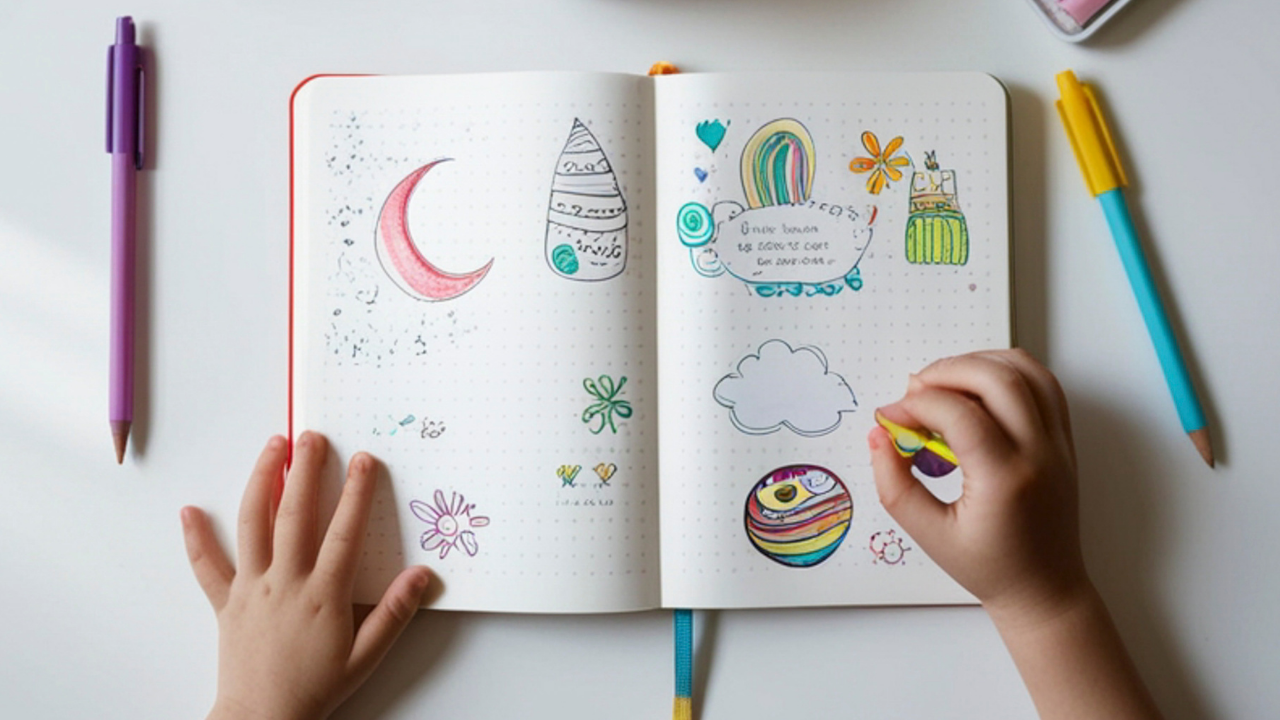
Every evening, around 30 minutes before bedtime, children take a notebook. They take about 10 to 15 minutes to write down everything that’s on their mind. Things that bothered them the whole day, things they feel nervous about, something that made them sad, or something they felt afraid of. Even younger children follow this habit. Instead of writing they scribble or draw what they feel.Once the writing is done, and the child has reflected the worrying thoughts, they close the notebook. And that gives the powerful message that their worries are where they belong: away from the mind, inside the notebook.
Science supports the effectiveness of writing down your worries
More than a parenting trend, the “Worry Hour” is connected to a broader psychological idea that putting thoughts and emotions into words can help people process them.

Studies on expressive writing have explored how writing about stressful thoughts and emotions may influence anxiety, emotional well-being, and how people manage difficult experiences. Research has examined expressive writing in children as well as adults, with studies finding links between writing-based interventions and changes in emotional outcomes.Another research on bedtime writing has found that putting future tasks or concerns into writing before sleep can help reduce the mental load that keeps people awake. In one sleep study, participants who spent a few minutes writing a specific list of things they needed to remember for the future fell asleep faster than those who wrote about completed activities.So, will you try this habit with your kids?