



Summer in India is getting harder to escape, and many places are experiencing either very hot or otherwise different-than-normal heat, with an increased number of people developing serious heat-related illnesses like dehydration or heat exhaustion. This is due to increasing amounts of high-temperature events (temperature exceeds 104°F / 40°C). There are many reasons for the increased number of heat-related illnesses throughout India; thus, educational programs and other resources that help educate the public about heat-related issues and to take action to reduce the impact of extreme heat on vulnerable populations during the summer months are vitally needed.Dehydration is another serious problem associated with extreme summer temperatures. The body’s perspiration causes an exodus of moisture (water) from body tissues and an exodus of sodium (salt) from body tissues. Dehydration occurs due to an insufficient amount of fluids (blood) that flows through the brain, resulting in a variety of symptoms such as weakness, confusion, dizziness/lightheadedness, and potentially hypotension (severely low blood pressure) or acute renal failure if a person becomes significantly dehydrated.While obtaining medical assistance as soon as possible will reduce a sick person’s chance of having brain damage and/or organ damage (i.e., injury to any organ), both heat stroke and dehydration may ultimately result in death without obtaining timely medical assistance.
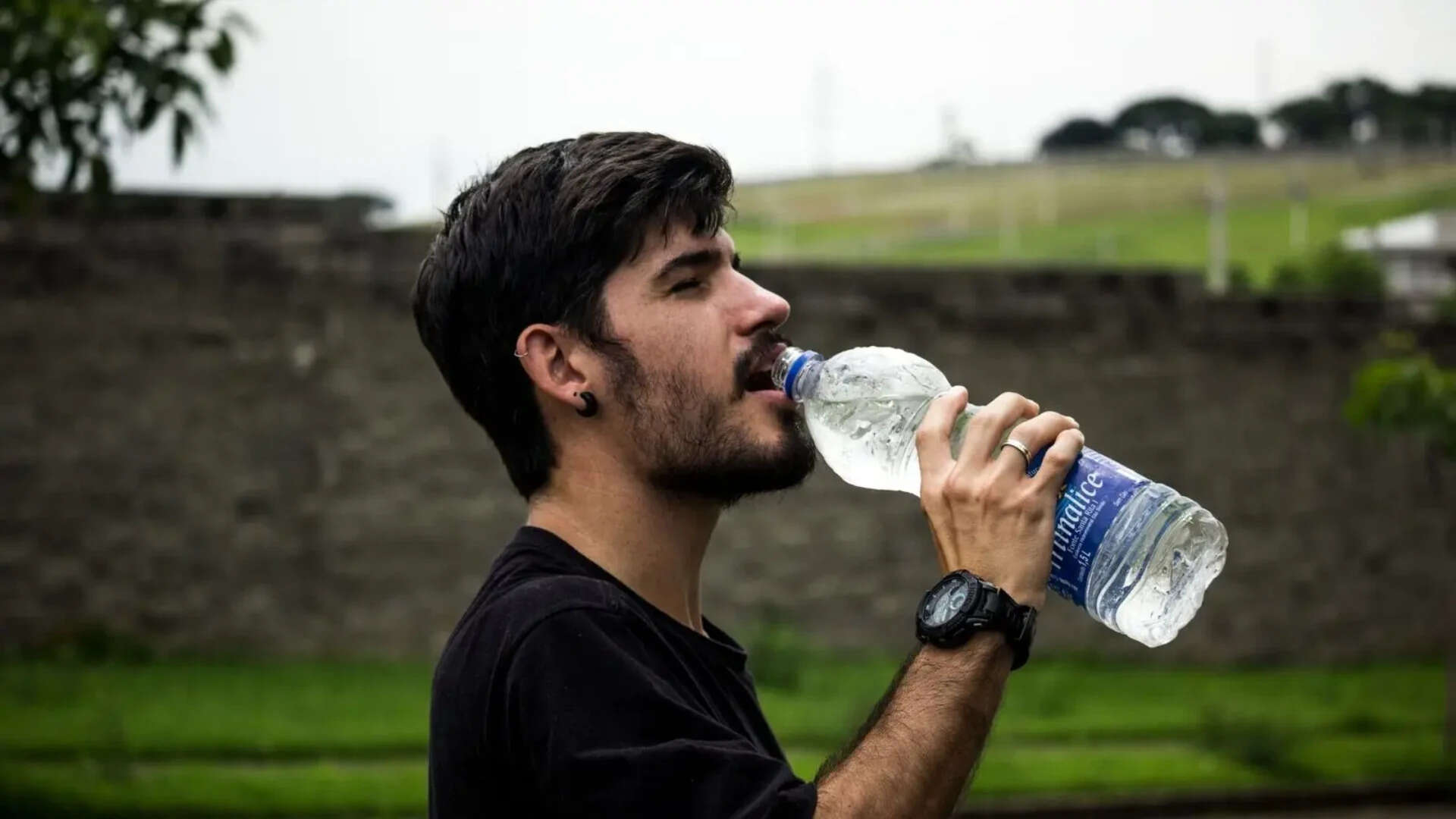
Additionally, heatwaves are getting longer and hotter. Additionally, warmer overnight temperatures mean that people do not have enough opportunity to recover from being exposed to very high daytime temperatures; this results in people’s additional inability to respond adequately to any heat-related conditions they may develop from limited or no outdoor exposure.Certain segments of the community are also at a significantly higher vulnerability level than others. Individuals who are at higher risk of experiencing heat-related injuries after exposure to extreme temperatures include elderly persons, children, outdoor manual laborers, individuals who have chronic medical conditions such as diabetes and other types of heart conditions, and those who have a poor hydration status or nutrition and have exceeded the recommended limit of daily sugar and/or coffee intake.To avoid being affected by heat illnesses, the optimum method to reduce the risk of becoming affected is to prevent those risk factors from existing. The best way to do this is to drink fluids consistently before you become thirsty so you can hydrate prior to needing hydration. Drinking coconut water or lemon juice after working out in hot weather will help provide your body with the electrolytes you lost, in addition to drinking large quantities of water to rehydrate.(Supreet Singh, Founder & CEO – Psychocare Health Private Limited)