

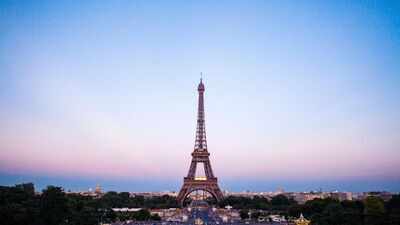
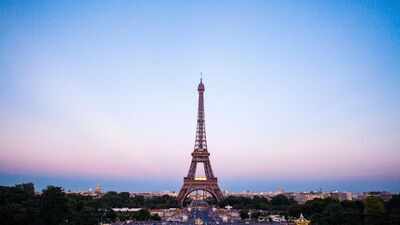
Few city names carry as much recognition as Paris. The French capital has been associated with royalty, revolution, art, architecture and commerce for centuries, yet the story behind its name begins long before grand boulevards, Gothic cathedrals or the Eiffel Tower existed. Long before Paris became the political and cultural centre of France, the area along the River Seine was home to a Celtic people whose presence would leave a lasting mark on the city’s identity.According to WorldAtlas, the origins of the name stretch back more than two thousand years to a tribe known as the Parisii. Their connection to the region survived the arrival of the Romans, the rise of the Frankish kingdoms and the transformation of a riverside settlement into one of Europe’s most influential cities. The modern name is the result of that long historical journey.
The hidden history of the Parisii tribe behind the name Paris

Before Paris was a city, it was a territory occupied by the Parisii. This Celtic tribe lived in the Seine basin during the centuries before Roman rule and maintained trading links with settlements along nearby waterways. Their location on an important river network helped connect them with other communities and contributed to the area’s growing importance.According to WorldAtlas, the name of the modern city ultimately comes from this tribe. While much about the Parisii remains uncertain, their name endured even after political control of the region changed hands. In many ways, the survival of their identity through successive eras is unusual. Entire kingdoms disappeared, but the memory of the Parisii remained embedded in the place itself.
Lutetia: The Roman city that became Paris
The arrival of Rome brought major changes to the region. WorldAtlas notes that the Romans conquered the Paris basin in 52 BC and established a settlement known as Lutetia Parisiorum, often shortened simply to Lutetia.Under Roman administration, the town expanded into a thriving urban centre. Public baths, temples, theatres and an amphitheatre appeared as Roman influence reshaped daily life. Yet despite these developments, traces of the area’s earlier inhabitants remained in the settlement’s formal name. The reference to the Parisii was still present, preserving a link between the Roman town and the people who had lived there before.
How Lutetia evolved into modern Paris
Names rarely change overnight. The transformation from Lutetia to Paris happened gradually across several centuries.According to WorldAtlas, by the later years of the Roman Empire, the settlement was increasingly referred to as Parisius, a Latinised form connected to the Parisii tribe. Over time, linguistic changes simplified the name until it evolved into Paris.The shift reflected more than pronunciation. It signalled a growing preference for identifying the city with the region’s original inhabitants rather than its Roman designation. As political structures changed and Roman authority faded, the older tribal connection became stronger within the city’s identity.
When Paris became the capital of a kingdom
The name became firmly established during the early medieval period. Paris officially took its modern name after Clovis, king of the Franks, made the city the capital of his kingdom in AD 508.That decision altered the city’s future. Becoming the centre of royal authority increased its political significance and encouraged further growth. Over the centuries that followed, Paris developed into a major administrative, religious and economic hub. The name that originated with an ancient tribe was now attached to the capital of a rising kingdom.
How the River Seine shaped the history of Paris
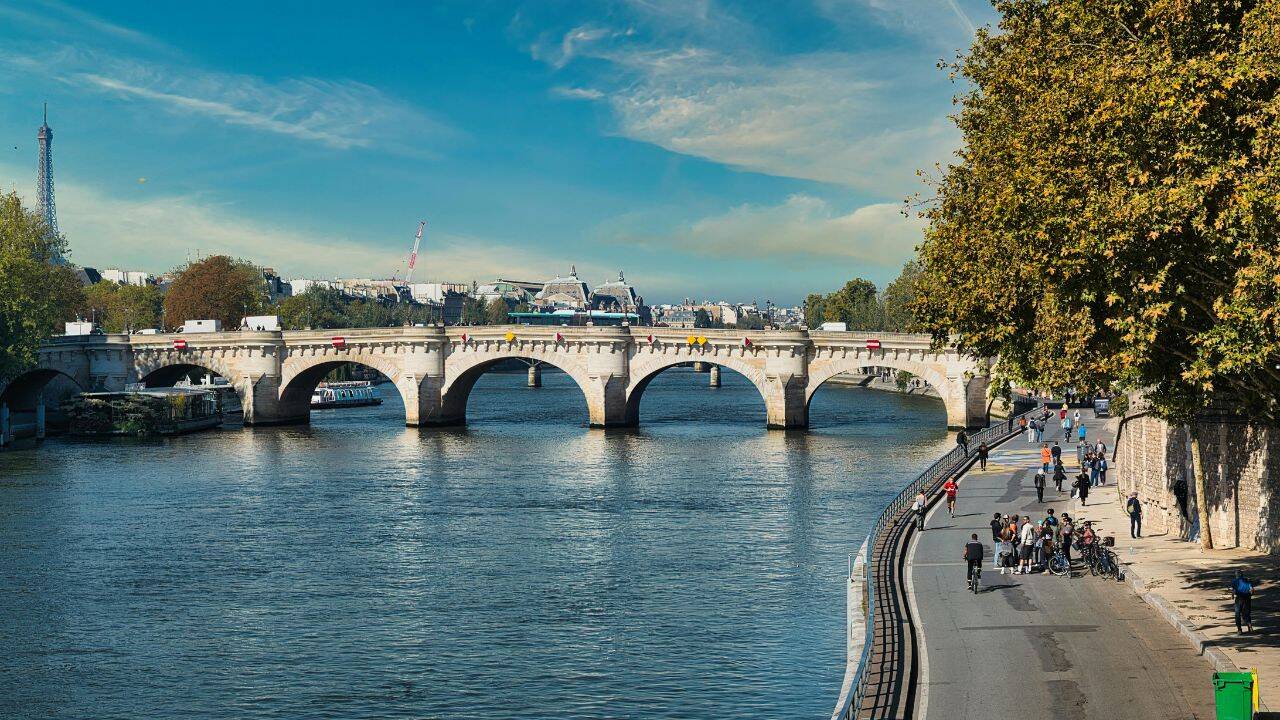
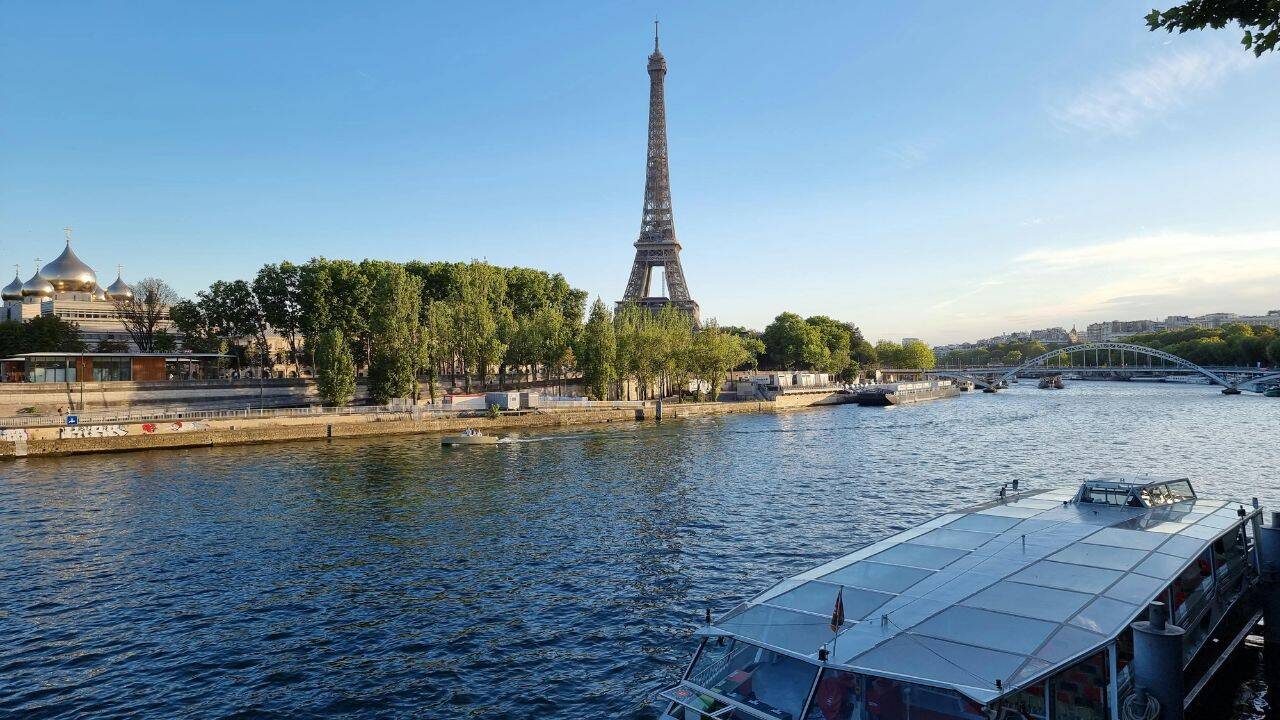
The story of Paris cannot be separated from the river that runs through it. According to UNESCO, the city developed along a bend of the River Seine, whose banks have influenced settlement patterns since prehistoric times. The river provided both protection and opportunities for trade, helping explain why communities such as the Parisii established themselves there in the first place.Today, many of the landmarks most closely associated with Paris stand beside the Seine. UNESCO notes that the city’s historical development can be traced along the river, from medieval monuments to later architectural additions that transformed the urban landscape. The river remains one of the clearest links between modern Paris and the settlement that first emerged in the region thousands of years ago.