

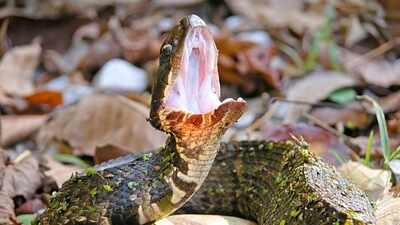
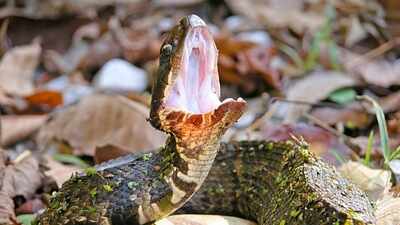
A terrace or balcony garden can feel like it’s a safe floor or two removed from the kind of snake trouble that ground-floor homes deal with during monsoon, but that sense of safety isn’t quite as solid as it seems. Elevated platforms, balconies, and terraces can genuinely serve as landing spots for snakes, especially when tree branches extend close to the building or other structures give them a way up. Species like rat snakes are particularly agile climbers, using their strength to grip rough surfaces such as brick, stone, or stucco with ease, which means an upper-floor terrace with overgrown creepers or an old, textured wall isn’t automatically off-limits. The good news is that most of what makes a terrace vulnerable is well within your control. Here’s how to make your balcony garden a lot less inviting this monsoon.
Clear out the clutter snakes love to hide in
Terrace gardens tend to accumulate clutter without anyone quite noticing: spare pots, stacked bricks, old planters, and leaf litter that builds up in corners. Removing piles of unused pots, stacked bricks, or wood and trimming back overgrown shrubs and grass, takes away the exact kind of cover that reptiles look for while passing through. On a terrace specifically, this also means clearing out any forgotten stacks of nursery pots, coiled hosepipes, or storage boxes shoved into a corner, since these dark, undisturbed spaces are precisely what a snake would treat as a resting spot during heavy rain.
Seal every gap and entry point
Patching cracks in boundary walls or fencing, covering open drains, securing gaps near outdoor taps or pipes, and fitting mesh over ventilators and openings all cut off the routes reptiles typically use to get in. On a terrace or balcony, pay particular attention to the gap under the main door, any opening around exhaust fans or AC units, and drainage outlets on the terrace floor, these are often overlooked simply because they’re not at eye level. A fine wire mesh over any drain or vent opening is a small, one-time fix that closes off a surprising number of entry points at once.
Fix standing water and drainage problems
Balcony gardens are especially prone to this one, since potted plants naturally collect water in saucers, trays, and any pot without a proper drainage hole. Avoiding stagnant water in plant trays, tires, and buckets; fixing leaking taps and hoses, and ensuring rainwater doesn’t pool are all steps that make an area far less attractive to reptiles. Standing water doesn’t just risk mosquito breeding; it also draws in frogs and insects, which are exactly the kind of prey that brings snakes closer in the first place. Emptying saucers after rain and checking that every pot drains properly is worth doing as a weekly habit through the season.
Trim back creepers and overhanging branches
This is the step that matters most specifically for upper-floor gardens, and it’s often the one people skip. Snakes climb rough surfaces more easily than smooth ones, and a tree, drainpipe, or thick creeper running up the side of a building can give them exactly the kind of grip they need to reach a terrace. Keep climbing plants and creepers trimmed well away from pipes, ledges, and grillwork, and avoid letting any tree branch grow close enough to brush against your terrace railing. It’s a small pruning habit that removes one of the few realistic ways a snake could actually reach a balcony in the first place.
Use natural deterrents, but don’t over-rely on them
Garlic water or clove oil spray around boundary edges, neem leaves, tobacco dust, and naphthalene balls placed in corners are commonly used as traditional, chemical-free deterrents, and many terrace gardeners swear by them. It’s worth being honest, though, the scientific evidence behind most of these remedies is thin, and none of them offer a guarantee. They’re reasonable as one layer of precaution alongside the structural fixes above, not a replacement for them. If you do use naphthalene, keep it well away from pets, children, and edible plants.
Rethink your terrace lighting at night
It’s an easy detail to miss, but lighting plays a bigger role than most people assume. Garden lights attract insects, which in turn attract reptiles looking for an easy meal, so switching to yellow LED lights or motion-sensor lighting can meaningfully cut down on night-time visitors. A terrace lit up with bright white bulbs all night is essentially running an insect buffet that draws in frogs, moths, and eventually whatever preys on them. Motion-activated lighting gives you visibility when you actually need it, without keeping the area lit and inviting all night long.
Know who to call if one still gets in
Even a well-snake-proofed terrace isn’t a hundred per cent guarantee, so it helps to know what to do if a snake does turn up. The right response is to stay calm, keep your distance, and avoid any attempt to touch, trap, or kill it, since many snakes encountered this way are non-venomous and would rather retreat than confront anyone. Organisations such as RESQ Charitable Trust in Pune, the Wildlife Rescue and Rehabilitation Centre in Bangalore, and the Friends of Snakes Society in Hyderabad handle exactly this kind of call, and most cities have similar local rescue groups or forest department contacts worth saving in your phone before monsoon sets in, not after.
A little prevention goes a long way
None of these steps requires tearing your terrace garden apart or giving up on greenery for the season, most of it comes down to housekeeping habits you’d probably benefit from anyway, monsoon or not. Clearing clutter, fixing drainage, sealing gaps, and trimming back growth near the building address the real reasons snakes end up on upper floors in the first place, rather than relying on any single trick to do all the work. Handled this way, your terrace can stay green through the rains without turning into a rest stop for anything you’d rather not share it with.Disclaimer: This article is intended for general informational purposes only and is not a substitute for professional wildlife or pest control advice. Natural deterrents mentioned here are not scientifically proven to repel snakes reliably. If you encounter a snake, avoid handling it yourself and contact a local wildlife rescue service or forest department for assistance. In case of a snakebite, seek emergency medical attention immediately.