



Ranchi: The State Directorate of Fisheries will establish ‘Magur Villages’ and Live Germplasm Resource Centres in Magur-rearing districts.The project, in collaboration with the ICAR-National Bureau of Fish Genetic Resources, Lucknow, will initially cover Ranchi, Gumla, Lohardaga and Simdega. The directorate is identifying more villages and districts for implementation. Farmers in Magur Villages will rear the fish in clusters.The initiative aims to preserve pure Desi Magur (Clarias magur), declared the state fish in Nov 2025, and eliminate illegal, invasive African catfish (Clarias gariepinus) and hybrid variants through molecular PCR testing.“Our primary objective is to produce 100% genetically pure ‘Desi Magur’ seed by eliminating illegal hybrids through state-of-the-art molecular techniques,” said Amarendra Kumar, director of fisheries, Jharkhand.He said the programme will conserve biodiversity in natural water bodies while raising farmers’ incomes through quality seeds, natural breeding techniques for paddy fields and hands-on scientific training.Native catfish populations have declined due to habitat degradation, environmental pressures and overfishing. To reverse this, the research wing of the directorate is conducting cultivation and demonstration trials in Simdega, Latehar, Lohardaga and Seraikela-Kharsawan, with plans to extend the programme across Jharkhand.Latehar is emerging as a model cluster. It has supplied 160,000 quality fish seeds across eight acres, along with tailored floating feed and lime treatment, benefiting Scheduled Tribe youth and women farmers in remote blocks such as Herhanj, Chandwa and Mahuadanr.
How important is it to preserve native fish species like Desi Magur?
3k+ users shared opinion today
5k+ users already voted today
3k+ users shared opinion today
Backed by expertise from the Fisheries Research Centre, Shalimar, Ranchi, the model uses the native catfish’s 6-to-8-month growth cycle, high market value of ₹500–₹700 per kg and nutritional profile to address malnutrition, reduce rural migration and double or triple household incomes.The state has rolled out subsidies aligned with the Pradhan Mantri Matsya Sampada Yojana. The unit cost for farming and demonstration in private ponds is Rs 4,00,000 per hectare, or Rs 1,60,000 per acre. Scheduled Caste, Scheduled Tribe and women beneficiaries will receive an 80% subsidy of Rs 3,20,000 per hectare, or Rs 1,28,000 per acre, while others will receive a 70% subsidy of Rs 2,80,000 per hectare, or Rs 1,12,000 per acre.
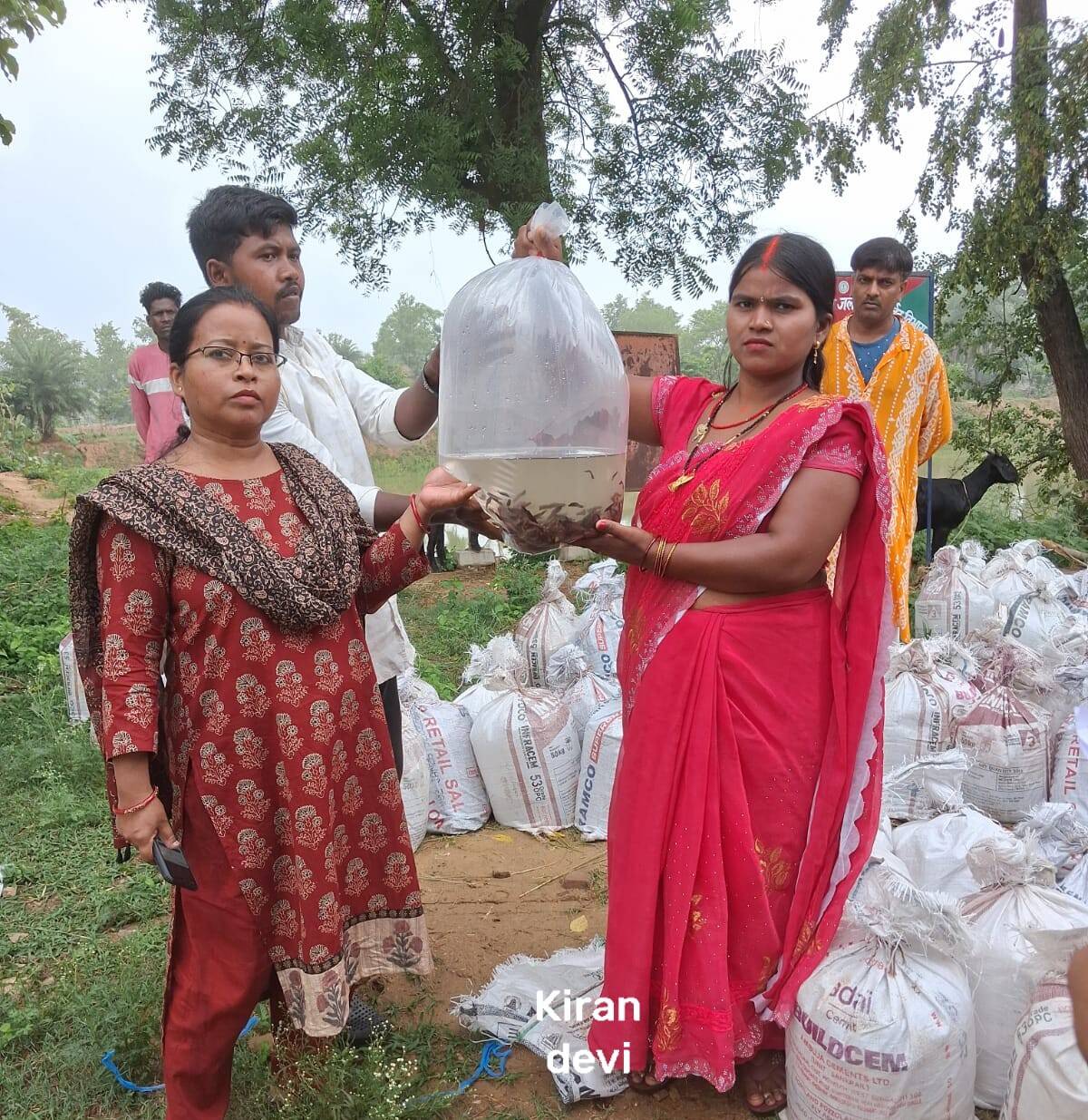
Beneficiaries receive Magur spawns for fish rearing
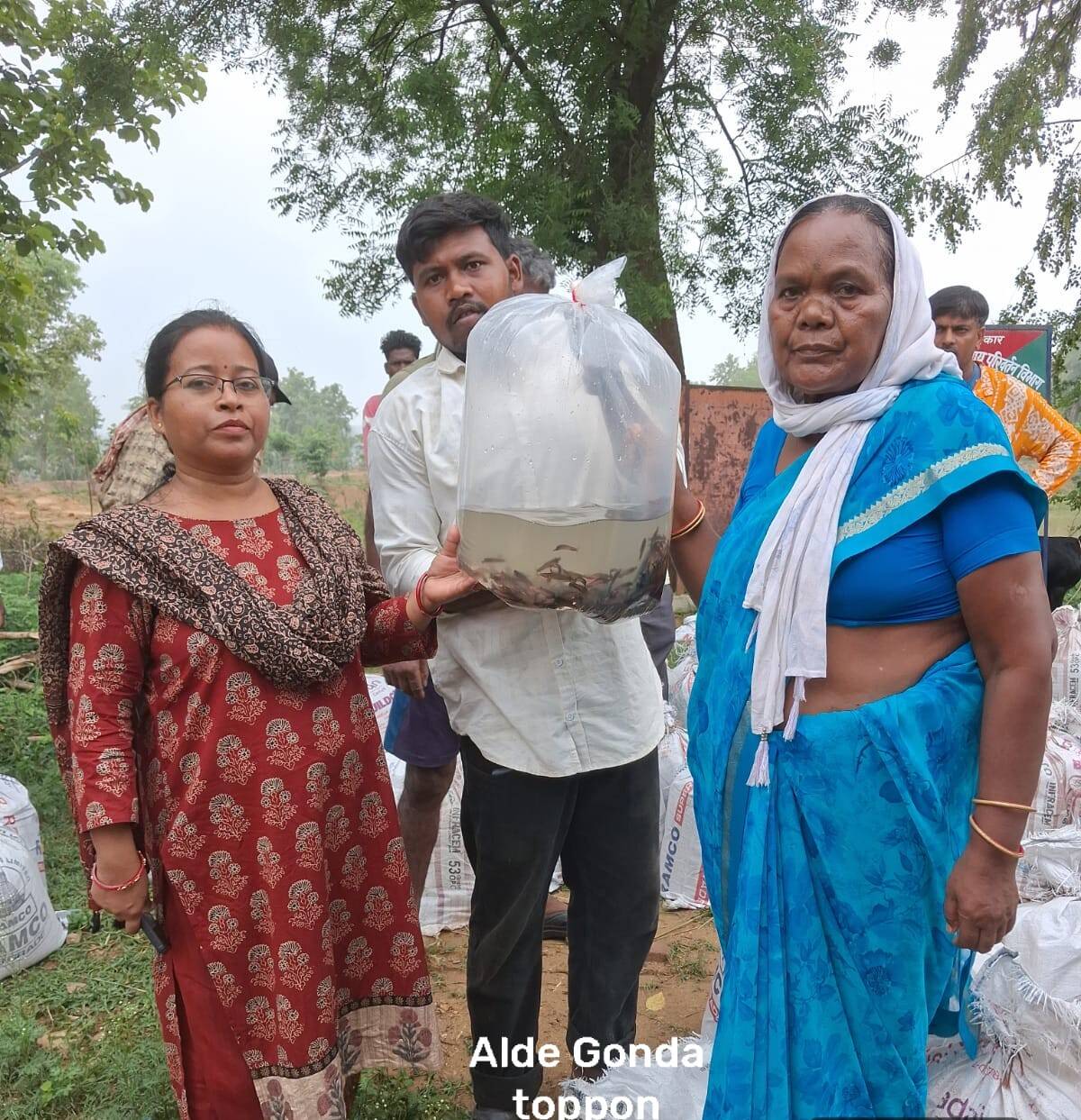
Beneficiaries receive Magur spawns for fish rearing