
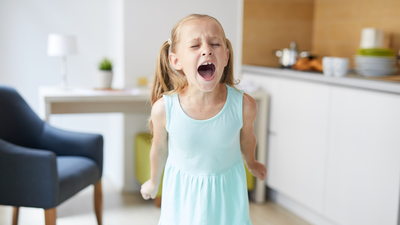
For grown-ups, a child throwing stuff or crying over small issues is seen as lack of discipline or simply “bad behavior.” Certainly, for parents such behavior can look confusing and even frustrating at times. But what looks small to an adult isn’t always small in a child’s world. What we label as misbehavior is more often a form of communication. Since children don’t have a big vocabulary, they use their actions as a means to communicate with others. Here are four things kids do that parents often mistake for misbehavior:
Running away from tasks
When a child avoids homework or even simple tasks and instructions, parents consider the behavior as laziness or defiance. However, in many cases, it’s a sign of overwhelm.Even as adults, many of us run away from tasks when we find the work too difficult or confusing, and for children, it’s the same. Kids tend to withdraw when they feel they might fail or don’t know where to begin.In such times, what parents can do is break tasks into smaller steps and offer support.
Throwing things
When a child throws toys, books, or objects, it can feel like deliberate misbehavior. But more often, it’s a physical reaction to emotions that feel too big to handle. This is especially common when a child is tired, overstimulated, or struggling to do something they can’t yet manage.Instead of reacting only to the behaviour, parents should help the kid address the feeling behind it. What looks like aggression is the child’s way of saying “I need help.”
Not listening
When a child doesn’t respond to instructions, it’s easy to assume they’re being stubborn. But, a child’s brain isn’t as developed as adults’. Their brains are still developing and so is their ability to focus and follow multi-step directions. So, what looks like not listening may actually be a sign that they’re overwhelmed or unable to shift attention quickly.Always remember: when parents get anxious, children get intimidated. Instead of repeating directions louder or showing frustration, parents should take a deep breath and calmly direct one step at a time.
Meltdown over small things
When a child breaks down on what seems like a tiny issue to adults, it can feel like an overreaction. But for children, such moments are rarely about the immediate trigger; they’re the result of built-up emotions that the child hasn’t been able to process or express. In such situations, parents should acknowledge the child’s emotions , and once the child feels settled down, parents can gently guide them toward expressing what they feel in words.
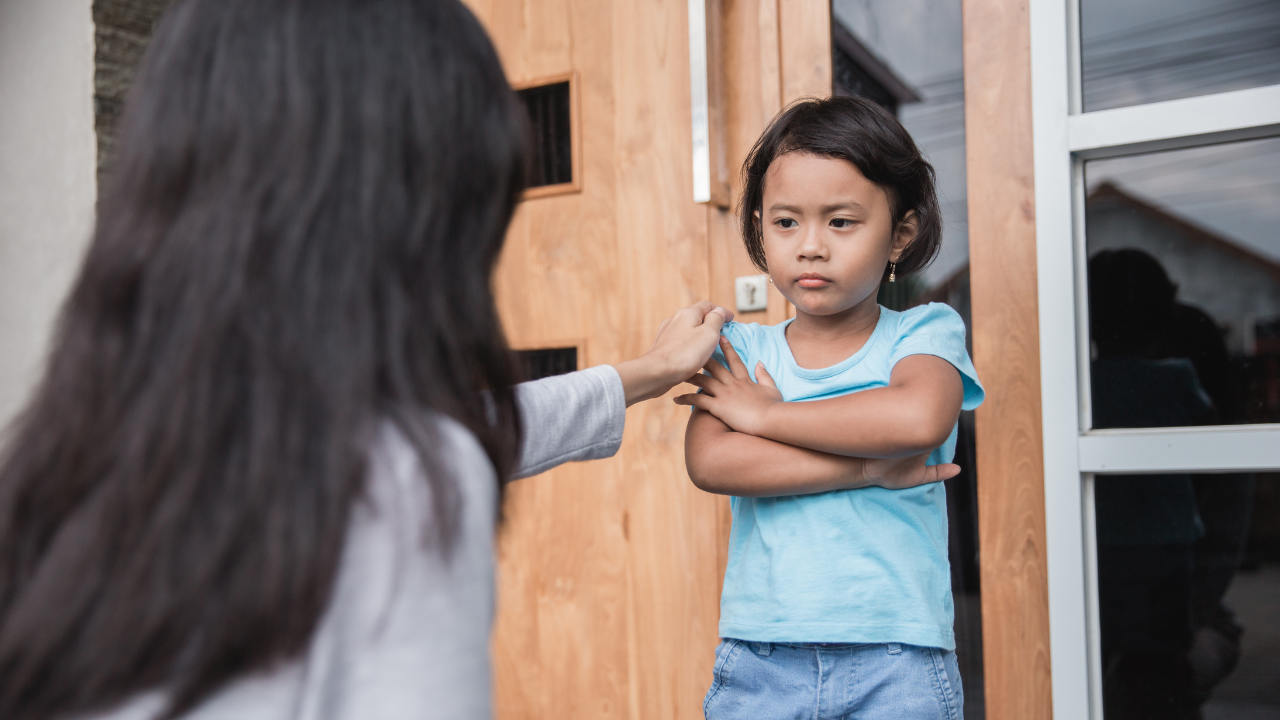
Understanding a child’s actions is important. Instead of a “how do i stop this?” attitude, parents should shift their perspective to “what is my child trying to convey?” Because when empathy is paired with clear boundaries, children not only learn what’s expected, they also learn how to express themselves better. The first step towards better behavior is being understood.