

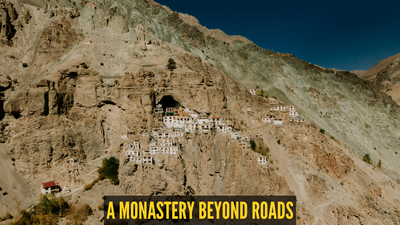
High up in the harsh, beautiful mountains of Ladakh, clinging to a sheer cliff face above a plunging river gorge, you’ll find one of India’s most incredible monasteries. Unlike the big tourist hotspots, you can’t just drive right up to Phugtal Monastery. There are no direct roads, no bustling souvenir markets, and absolutely no mobile phone signal to tether you to the outside world. If you’re after genuine solitude, a bit of adventure, and a look at a lifestyle that’s barely changed in centuries, Phugtal offers something truly rare.
Where is Phugtal Monastery?
You’ll find Phugtal tucked away in the remote Lungnak Valley in Ladakh’s Zanskar region. Sitting at a breathless altitude of roughly 3,850 metres above sea level, it’s built directly into a natural cave that looks out over the Tsarap River.The name perfectly captures its setting. In the local dialect, “Phug” translates to cave, whilst “Tal” means liberation, making it the “Cave of Liberation”. When you catch your first glimpse, the whitewashed buildings look almost like a massive honeycomb tumbling down the mountainside, seemingly defying gravity. Because it’s so cut off from the rest of the world, the spiritual vibe here is incredibly preserved, making it one of the most compelling spots in the Himalayas.
Why Are There No Roads to the Monastery?
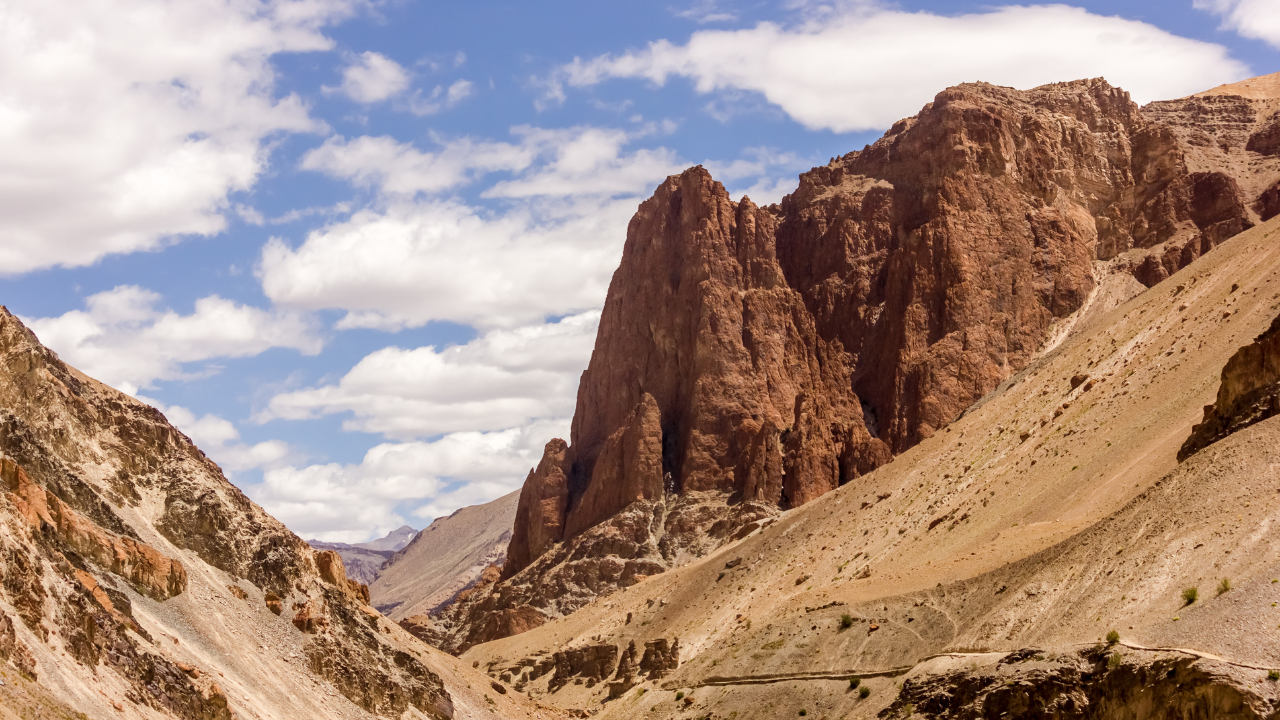
Image Credit: Canva
The answer is a mix of tricky geography and a desire to protect the site. The monastery is wedged into a steep cliff inside a narrow gorge. To build a road that a car could actually drive on, you’d need to do some serious blasting and digging. That kind of heavy construction would likely ruin the ancient cave and cause the fragile mud-and-wood buildings to collapse.Because of this, the last leg of the journey is strictly on foot. Sure, roads have slowly crept further into the Zanskar region over the years, but Phugtal itself remains safely out of reach of 4x4s. Honestly, the lack of road access is a massive part of its charm. It forces you to slow down, ditch your modern comforts, and properly earn your arrival by hiking through some of Ladakh’s most stunning scenery.
How to Reach Phugtal Monastery
Your trip will typically kick off in Leh or Kargil before you make your way to Padum, Zanskar’s main town.From Padum, you can drive to a village like Purne or Chah to start the trek. Most people choose to set off from Purne. The walk from there to the monastery is roughly 5 to 6 kilometres, which usually takes about two to three hours each way.The trail traces the edge of the Tsarap River, leading you through a spectacular canyon. You’ll cross a swaying suspension bridge before starting the final climb up to the gompa. It might not be a massive distance, but the views are brilliant, towering cliffs, bright turquoise water, and stark, barren mountains that perfectly capture Zanskar’s raw edge.
A Monastery with Over a Thousand Years of History
Phugtal isn’t a new addition to the landscape; its roots run deep. The natural cave at its core has supposedly drawn meditators and spiritual seekers for upwards of 2,000 years.Local lore connects the cave to several massive figures in Buddhism, including Guru Padmasambhava, the man largely credited with bringing Buddhism to the Himalayas. However, the monastery as you see it today was officially founded in the early 15th century by Jangsem Sherap Zangpo, a follower of the Gelug school of Tibetan Buddhism. It has been a thriving hub for study, meditation, and prayer ever since. Even now, dozens of monks call these walls home.
What Travellers Can Expect
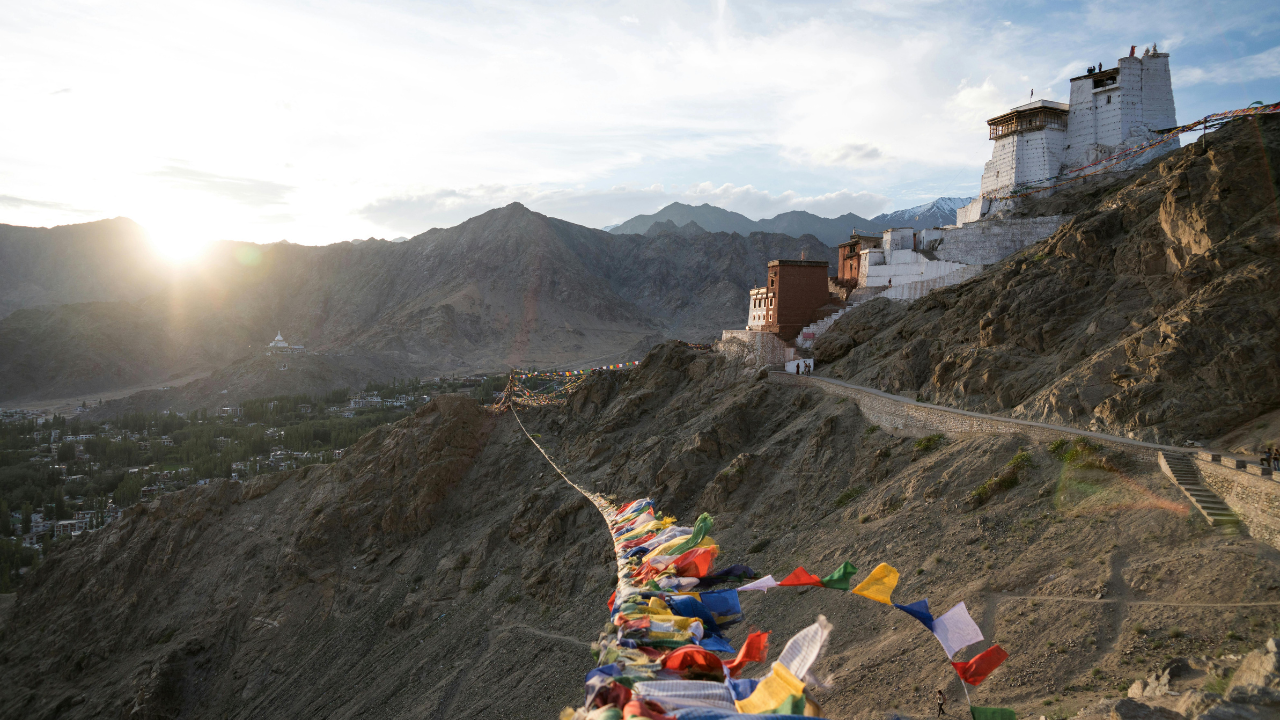
Image Credit: Canva
That first look at Phugtal is something you won’t forget in a hurry. The monastery looks like clinging to the rock as if it has been pinned there. Inside, the prayer halls have old paintings, prayer wheels, and sacred texts that makes it truly spiritual.Right in the middle of the complex is the original cave. A small natural spring bubbles up inside it, which the monks and locals treat as deeply sacred.Do not go expecting luxury. The facilities are basic, the food is simple, and electricity can be patchy at best. But really, that’s the whole point of coming here. Staying at Phugtal gives you a brilliant chance to completely unplug and tune into the slow, steady rhythm of monastic life.
Best Time to Visit
If you’re planning a trip, aim for the window between June and September.During the summer months, the roads into Zanskar are generally clear, the weather is fairly mild, and the trails are in good nick. It’s the safest and most enjoyable time to take on the trek.Trying to visit in winter is a different beast entirely. Heavy snow cuts off massive chunks of the region, and temperatures routinely plummet way below freezing. It’s strictly for hardcore adventurers.
Trek Difficulty and Altitude Precautions
The walk itself isn’t technically difficult, it’s classed as moderate and most people with a decent level of fitness will manage it fine. However, the altitude is the real challenge. Here is how to prepare safely:Give your body time to adjust: Don’t rush straight into Zanskar. Hang around Leh or another high-altitude spot for a couple of days first so your lungs can actually get used to the thin air.Listen to what your body is telling you: Altitude sickness is no joke. If you develop a pounding head, feel dizzy or completely wiped out, or if you’re struggling to catch your breath, take it seriously.Take it slow and steady: The trek isn’t a race. Keep drinking plenty of water and just walk at a pace that feels comfortable for you.Don’t be afraid to pull the plug: If you start feeling genuinely ill, the only real fix is to lose elevation. Head back down immediately and seek medical help if things don’t improve.Pack for the middle of nowhere: You are miles from the nearest shop, so pack sensibly. Make sure your daypack has a basic first-aid kit, extra warm layers, enough snacks to keep your energy up, and plenty of water to see you through the journey.In a time when we expect to drive right up to the front door of most tourist sites, Phugtal Monastery is a brilliant exception. Hidden away in the craggy peaks of Zanskar, it makes you work for the views and repays the effort tenfold.