

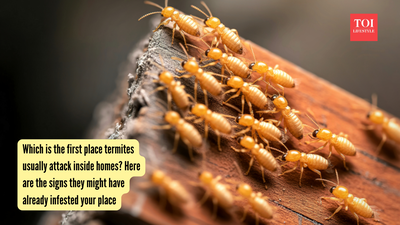
Termites are those problematic pests that silently destroy homes, mostly without making any sounds, and only become visible after it’s already too late, and they have already infested our favourite and expensive furniture.Termites do not leave a trail you can spot easily. And by the time most homeowners realise something is wrong, an entire colony has already been at work for months, sometimes years.What makes termites eerie is how ordinary their entry points are. A small crack in the foundation, a wooden door frame that is near soil, or on the ground floor. A dark, damp corner behind a piece of furniture.While none of these areas feels concerning on their own, this is precisely why termites attack in these places.But the good news is that they do leave signs, if you know what these signs may be like, they might help you easily track an early termite infestation.Here are some areas where termites tend to attack first, and common signs that might help you spot an infestation early.
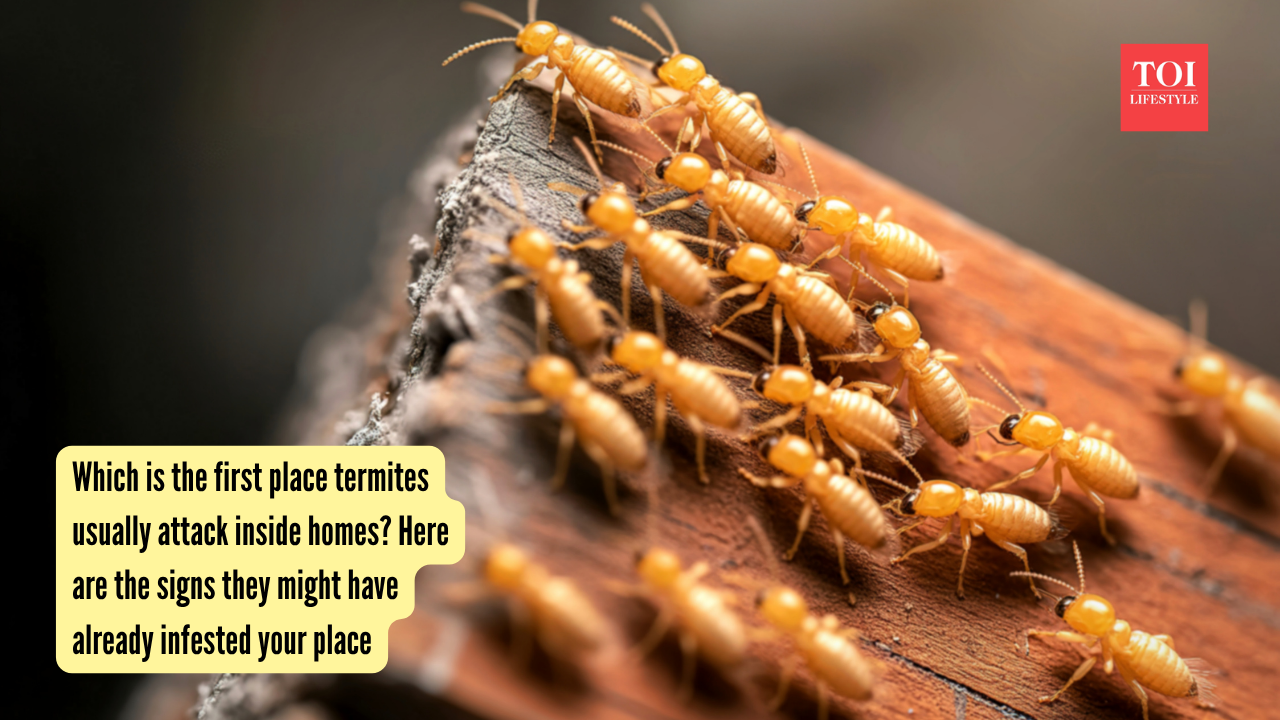
Representative Image
Wood near the foundation is always the first target
Subterranean termites create mud tubes to travel from the soil to their food source, which may be your home. This means that any wood touching or located close to the soil, like door frames, wooden beams near the base of walls, is where they begin. If you have places on the outside of your home where wood touches the soil, especially in a moist, shady spot, look there first for evidence of termite activity.
Mud tubes along walls and foundations are a clear red flag
Subterranean termites, the most destructive termite species, build mud tubes to provide moisture while they travel between their colony and their food source. These mud tubes are most often found near the home’s foundation. These pencil-thin tunnels retain moisture and protect the termites from drying out. They are easily overlooked because they tend to appear in low, dark, or hidden corners, behind furniture, along basement walls, or in crawl spaces. When you run your finger through a suspicious space and it crumbles into soil and debris, you may need professional help to chuck out the termites.
Hollow-sounding wood
One of the most common signs of a termite infestation is one you hear rather than see. Termites eat wood from the inside out, leaving only a thin outer layer. Touching and knocking on damaged areas may produce a hollow or papery sound, because part or all of the timber inside has been eaten away. This is particularly common in wooden flooring, internal walls, and door frames. When termites eat through wood in search of cellulose, they cause the wood to warp, which can make opening and closing doors and windows difficult.
Discarded wings near windows and doors
Termite swarmers, or their discarded wings near windowsills and doors, are often the first and only visible sign of a termite problem on th eoutside. Winged termites invade homes in the springtime, and the rest of the colony follows them. After they settle, they shed their wings, leaving behind small, fish-scale-like piles near light sources, window ledges, or caught in cobwebs.