



Look closely at the change in your pocket and you’ll spot something easy to overlook: some coins have perfectly smooth rims, while others are lined with fine grooves. Most people assume this is just decoration. Actually, it’s a centuries-old engineering trick that once protected the very value of money itself.
A solution to an old problem
According to various reports, the story starts in Europe during the 1500s and 1600s, back when coins were struck from actual gold and silver. Because the metal itself was valuable, criminals found a sneaky way to profit without destroying the coin outright. This scheme was called “coin clipping.” Someone would shave a sliver of precious metal off the rim – so thin it was barely noticeable – and pocket it. Meanwhile, the clipped coins kept circulating, now lighter than they were supposed to be.The scale of this fraud eventually became a real economic threat. As lighter, tampered coins flooded the marketplace, people grew wary of the currency itself, and everyday trade got harder.To combat this issue, governments began introducing coins with patterned or ridged edges. The grooves made it immediately obvious if someone had tampered with the coin. Even a small amount of clipping would interrupt the continuous pattern, allowing merchants and the public to identify altered coins quickly. The innovation became practical after advancements in minting technology allowed for the production of consistent edge designs during the manufacturing process.
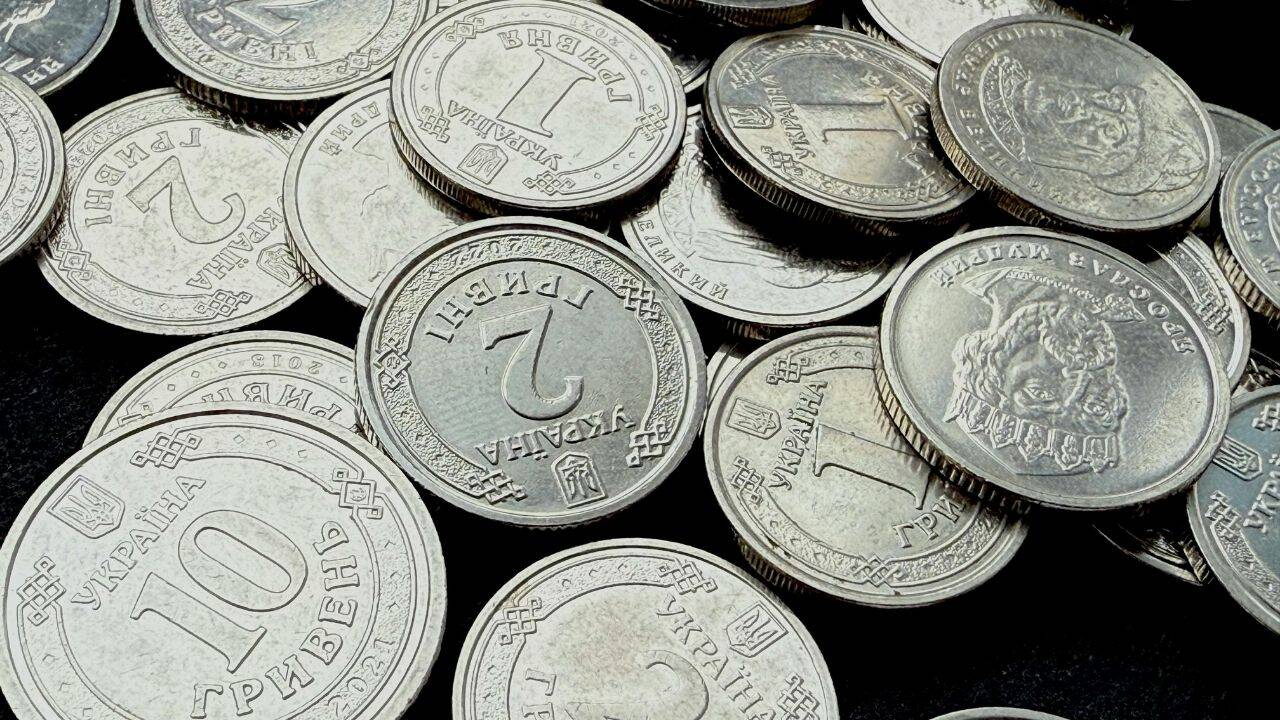
Image Credit: Canva
Why ridged edges are still used today
Coins today are struck from cheap alloys, not gold or silver, so clipping them for profit makes no sense anymore. And yet, ridged edges never went away. Why?Partly, it’s just tradition, mints tend to hold onto design elements that have stood the test of time, and grooved edges are now a recognisable hallmark of coinage everywhere.But there’s a real function left in the feature, too. Ridges let people tell coins apart by touch alone. In plenty of currencies, the higher-denomination coins are ridged while the lower ones stay smooth. A quick feel of the edge tells you what you’re holding – a detail that matters enormously for people with vision impairments navigating daily purchases. There’s also a grip benefit. A perfectly smooth coin can slip right out of wet or cold fingers, whereas a textured edge is much easier to hold onto.And finally, ridges still play a small role in fighting counterfeiting. Modern mints rely on far more advanced defenses now – specialised alloys, laser-etched details, and microscopic imagery, but the humble grooved or lettered edge still adds one more layer that’s hard to fake.
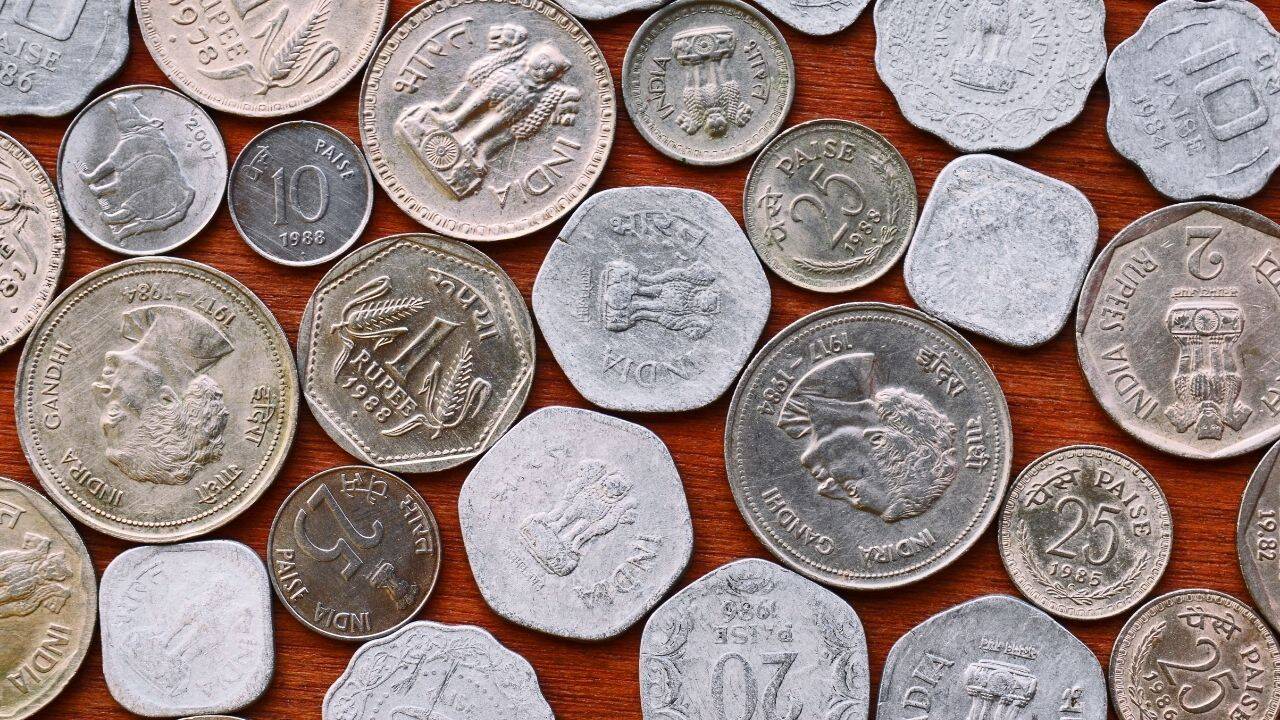
Old Indian coins collection (Image Credit: Canva)
More than just tiny grooves
Edge designs aren’t one-size-fits-all. Some coins get simple, evenly spaced grooves; others mix smooth sections with ridged ones. Special-edition or high-value coins sometimes go further, engraving words, dates, or ornamental lettering right into the rim. Mints deliberately choose these variations, weighing security, manufacturing capability, and accessibility for coin users.Making these edges is a precision job. Purpose-built machinery stamps the pattern onto each coin’s rim during production, guaranteeing that every legitimate coin comes out looking identical and meeting exacting standards.Even as digital payments keep expanding, physical coins haven’t disappeared, they’re still woven into economies everywhere. Their designs quietly blend history, precision engineering, and anti-fraud strategy, mostly unnoticed by the people using them every day.So next time you get change back from a purchase, take a second to run your finger along the edge. Those small grooves aren’t just an aesthetic flourish – they’re the legacy of a centuries-old fight against fraud, a boost to usability, and a quiet guardian of trust in money itself. A tiny design choice, it turns out, is still doing real work today.